


If you click on my affiliate/advertiser links, Big Top Kids Gifts (aka Lisa Woods) will receive a
small commission 😉 The products and services I recommend are ones that I believe will benefit you.
Gardening with kids is a fun and rewarding activity that offers so many benefits. It’s not just about planting seeds and watching them grow.
Gardening teaches children valuable life skills and helps them connect with nature.
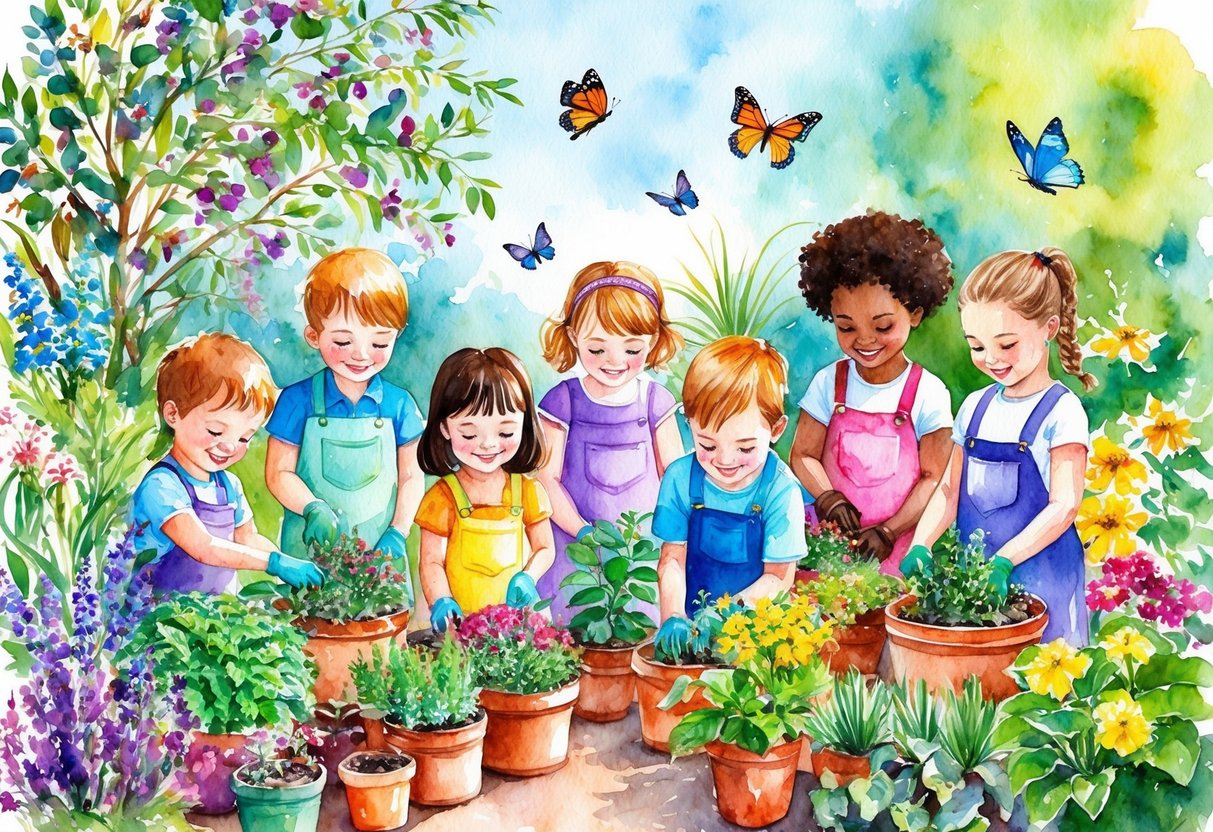
Kids who garden learn patience, responsibility, and problem-solving skills. They get to see the results of their hard work as plants sprout and flowers bloom. It’s like magic happening right before their eyes!
Spending time in the garden also gets kids moving and breathing fresh air. You’ll love seeing their faces light up when they taste vegetables they’ve grown themselves.
Plus, gardening is a great way for families to bond and create lasting memories together.
Key Takeaways
- Gardening teaches kids important life skills and connects them with nature
- Kids get exercise and fresh air while learning about plants and food
- Families can bond and create memories through gardening activities
Laying the Foundation: The Importance of Gardening
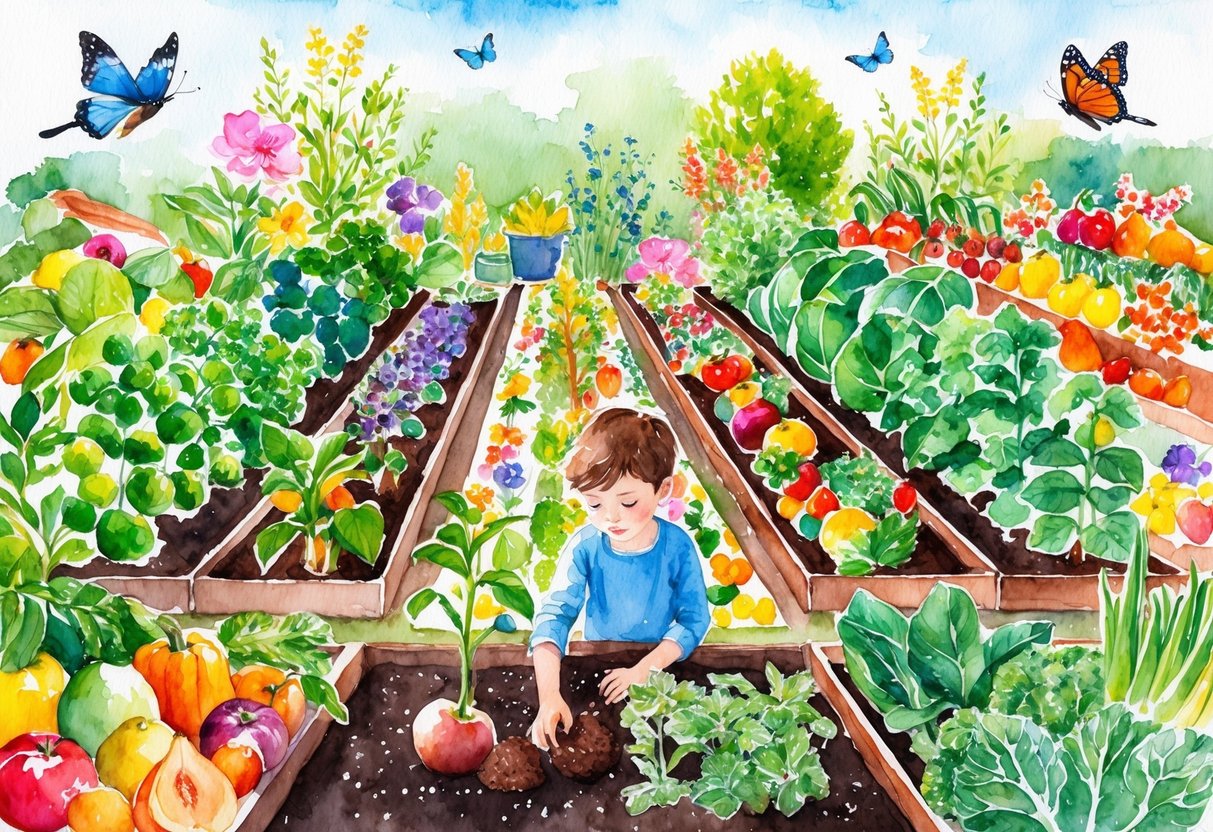
Gardening is a wonderful way for kids to learn and grow. It teaches valuable life skills and fosters a deep connection with nature.
A Seed of Responsibility
When you garden, you’re in charge of living things. You need to water your plants and make sure they get enough sun.
It’s like taking care of a pet but with plants! This helps you learn to be responsible.
You’ll see how your actions affect your plants. If you forget to water them, they might wilt. But if you take good care of them, they’ll grow big and strong. It’s a great way to see how your choices matter.
Gardening also teaches you about planning. You need to decide what to plant and when. This helps you think ahead and make good choices.
Growth of Patience
Gardens don’t grow overnight. It takes time for seeds to sprout and plants to get big. This can teach you to be patient and wait for good things.
You’ll learn that some things take time. You can’t rush a plant to grow faster. Instead, you need to care for it day by day. This is a great lesson for life.
Waiting for your plants to grow can be exciting too. Each day, you can check on them and see how they’re doing. It’s like a slow-motion surprise!
Cultivating an Understanding of Nature
Gardening helps you learn about the world around you. You’ll see how plants grow from tiny seeds. You’ll learn about the sun, soil, and water that plants need.
You might spot bugs and birds in your garden too. This can teach you about the food chain and how everything in nature is connected. It’s like having a mini science lab in your backyard!
Gardening can also help you care more about the earth. When you grow your food, you might think more about where your food comes from. This can make you want to take better care of the environment.
Digging Deeper: Educational Benefits

Gardening offers kids amazing chances to learn and grow. It helps them do better in school and pick up important skills for life.
School Gardens as Learning Platforms
School gardens are super cool outdoor classrooms. You can learn about plants, bugs, and how things grow. It’s not just boring book stuff – you get to touch and see everything up close!
You might measure how tall your sunflowers get or count how many tomatoes grow. That’s math in real life. Or you could write stories about the garden for your English class.
Science comes alive when you watch seeds sprout and butterflies visit flowers.
Gardens make learning fun and hands-on. You remember things better when you do them yourself instead of just reading about them.
Developing Problem-Solving Skills
Gardening is like solving puzzles with plants. You have to figure out why your veggies aren’t growing or how to keep pests away. It’s okay if things don’t work out the first time – that’s how you learn!
You might need to build a fence to keep rabbits out or make a mini greenhouse for your seedlings. These projects help you think creatively and work through problems step by step.
Gardening teaches you to be patient too. Plants don’t grow overnight, but with care and time, you see amazing results. This helps you learn to stick with tasks even when they take a while.
Experiential Learning Opportunities
Gardening lets you learn by doing. You use all your senses – feeling the soil, smelling flowers, tasting veggies you grew yourself. It’s way more fun than sitting at a desk!
You can do cool experiments in the garden. Maybe you’ll test different types of compost or see which plants grow best together. You’re like a real scientist!
Gardening connects you to nature and teaches you about the environment. You learn where food comes from and how to take care of the earth. These are big, important ideas that you get to experience firsthand in the garden.
Nurturing Growth: Physical and Mental Well-Being
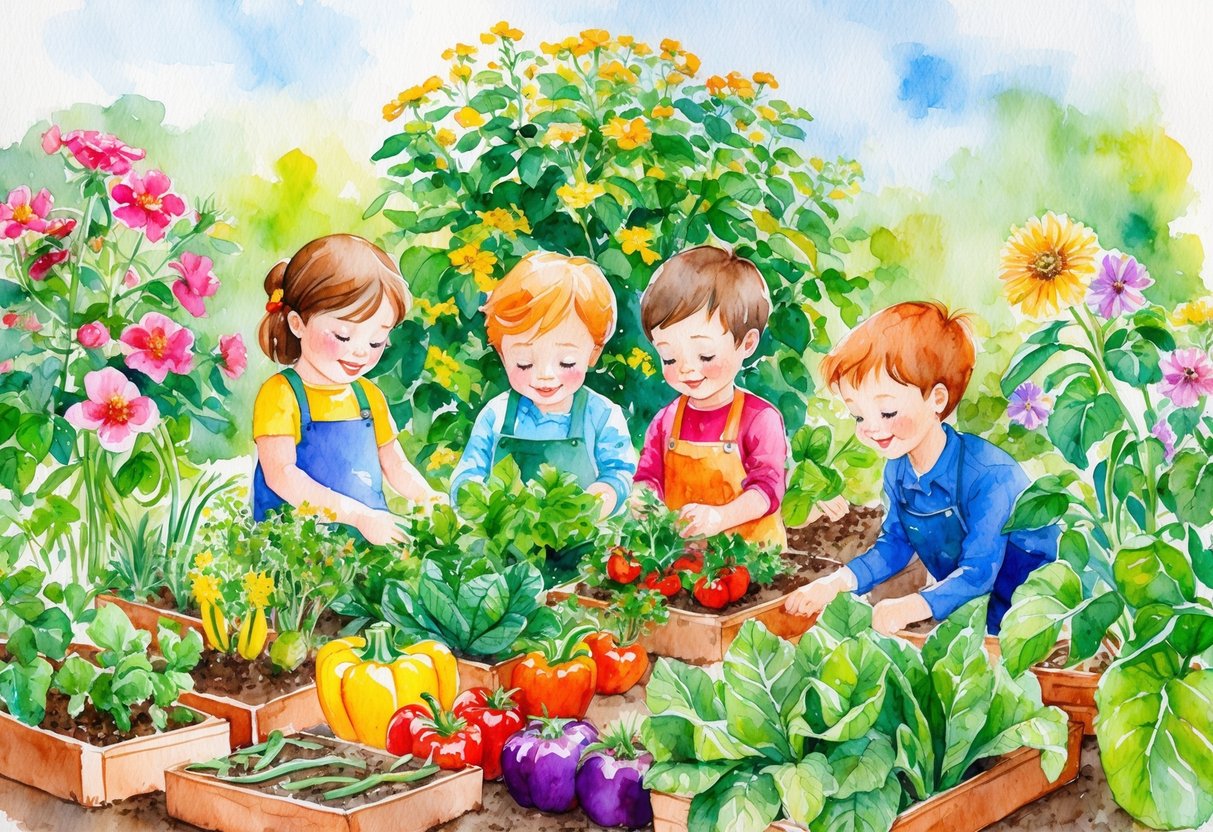
Gardening offers kids amazing chances to grow in body and mind. It’s like a secret superpower for helping children blossom in so many ways!
Strengthening Fine Motor Skills
When you garden with your kids, you’re helping their little hands get stronger and more nimble. Planting seeds, pulling weeds, and watering plants are great for fine motor development. These activities make their fingers and hands work in new ways.
Try giving your child child-sized tools to use. Small trowels, watering cans, and gloves fit perfectly in little hands.
Let them dig holes, drop in seeds, and pat down the soil. These motions help improve hand-eye coordination too.
Encourage your kids to pick flowers or harvest veggies when they’re ready. This gentle pinching and plucking builds finger strength. It’s like a fun workout for their hands!
Boosting Physical Activity
Gardening gets kids moving in the fresh air. It’s a sneaky way to add more physical activity to their day. Digging, raking, and pushing a wheelbarrow are great full-body exercises.
Set up a scavenger hunt in the garden. Have your kids look for different leaf shapes or count how many ladybugs they can find. This keeps them active and engaged.
Create fun challenges like who can pull the most weeds in 5 minutes. Or see who can water the most plants. These games make exercise feel like play.
Remember, any movement is good movement. Even light gardening tasks help kids stay active and healthy.
Promoting Healthy Eating
Growing your own fruits and veggies can make kids excited about eating them. When children plant and care for food, they’re more likely to try it. It’s like magic!
Let your kids choose which vegetables to grow. Give them their own small plot or container. This ownership makes them proud and eager to taste their harvest.
Have taste tests with different varieties of tomatoes or lettuce. Make it fun by blindfolding them and seeing if they can guess which is which. This encourages them to try new foods.
Use garden-fresh produce in family meals. Let your kids help prepare dishes using what they’ve grown. They’ll feel so proud serving food they nurtured themselves.
Gardening and Mental Health
Gardening is great for kids’ minds too. It can help them feel calm and happy.
Being outside in nature boosts mood and lowers stress.
Teach your kids to care for plants. This builds responsibility and confidence. When they see their plants grow, it gives them a sense of achievement.
Gardening teaches patience too. Plants don’t grow overnight. Kids learn to wait and watch, building their ability to delay gratification.
Make a quiet corner in the garden where kids can sit and relax. This can be a special spot for them to unwind and enjoy nature’s peacefulness.
The Social Garden: Building Life Skills
Gardening gives kids amazing chances to grow more than just plants. It helps them blossom socially and build key life skills while having fun outdoors.
Growing Social Skills through Teamwork
You’ll see your kids’ social skills bloom in the garden. As they work side-by-side, they learn to talk and listen. They share tools and take turns watering plants.
Kids figure out how to solve problems together when pests show up or plants need extra care.
These team efforts teach them to:
- Communicate clearly
- Respect others’ ideas
- Pitch in to reach shared goals
The garden becomes a fun place to practice getting along with others. Your kids will carry these skills with them everywhere they go.
Sowing Seeds of Self-Confidence
Watching seeds sprout and grow boosts kids’ self-esteem. You’ll see their faces light up when they pick that first tomato or smell the herbs they planted.
As they learn new skills, they feel proud and capable.
Gardening lets kids:
- Make choices about what to plant
- Take on responsibilities
- See the results of their hard work
These wins, big and small, help your children feel good about themselves. They learn they can set goals and reach them through effort and care.
Learning Cooperation and Sharing
The garden teaches kids to work as a team and share. They learn to divvy up tasks and pool their efforts for the good of all the plants.
Your kids will practice:
- Taking turns with tools and watering cans
- Sharing the harvest with family and friends
- Helping others learn gardening skills
These lessons in cooperation carry over to other parts of life. Kids learn the joy of working together and the importance of thinking beyond themselves.
Creative Sprouts: Encouraging Imagination

Gardening lets kids express their creativity and imagine new worlds. You can help your little ones design fun spaces and try unique projects that spark their imagination.
Garden Design and Aesthetic Appreciation
Let your kids dream up their own mini garden paradise. Give them a small plot or some containers to decorate. They can arrange plants by color or create fun shapes.
Why not make a rainbow garden with flowers in every hue? Or plant herbs and veggies in the shape of a smiley face?
Kids love adding personal touches too. Let them paint rocks for colorful markers. They can make signs with funny plant names.
Encourage them to build fairy houses from natural items. This helps them see beauty in nature and think creatively about design.
Innovative Gardening Projects
Try out-of-the-box ideas to keep gardening fresh and fun. Make a pizza garden with all the toppings – tomatoes, basil, and peppers.
Create a sensory garden with plants to touch, smell, and even taste. Build a bean teepee for a secret hideout that grows.
Let kids experiment with unusual planters. Old rain boots or toy trucks make quirky homes for flowers. Grow a grass-hair monster using an old stocking and seeds.
Paint faces on pots and use cress or chives for wild green hairdos. These silly projects mix art and nature in ways kids love.
Harvesting Knowledge: Sustainability and Conservation
Gardening teaches kids important lessons about caring for the environment. It shows them how to use resources wisely and protect nature.
Composting: Turning Waste into Nutrients
Did you know you can turn food scraps into plant food? That’s what composting is all about! It’s like magic for your garden.
You take things like banana peels and eggshells that would normally go in the trash. Instead, you put them in a special bin.
Over time, tiny creatures break down the scraps. They turn into rich, dark soil. This soil is full of nutrients that help plants grow big and strong.
Composting reduces landfill waste and makes your garden happy.
You can start a compost bin at home or school. It’s easy and fun! Plus, it’s a great way to learn about nature’s recycling system.
Gardening for the Future: Sustainability Practices
When you garden, you’re not just growing plants. You’re learning to be a good steward of the Earth. There are lots of ways to make your garden eco-friendly.
Try collecting rainwater in barrels to water your plants. This saves tap water.
You can also use mulch around your plants. It keeps the soil moist and stops weeds from growing.
Choose native plants for your garden. They’re used to your local weather and need less care. That means you use fewer resources to keep them healthy.
Remember, every little bit helps! When you garden sustainably, you’re doing your part to protect our planet for the future.
Engaging the Senses: Sensory Exploration in Gardening
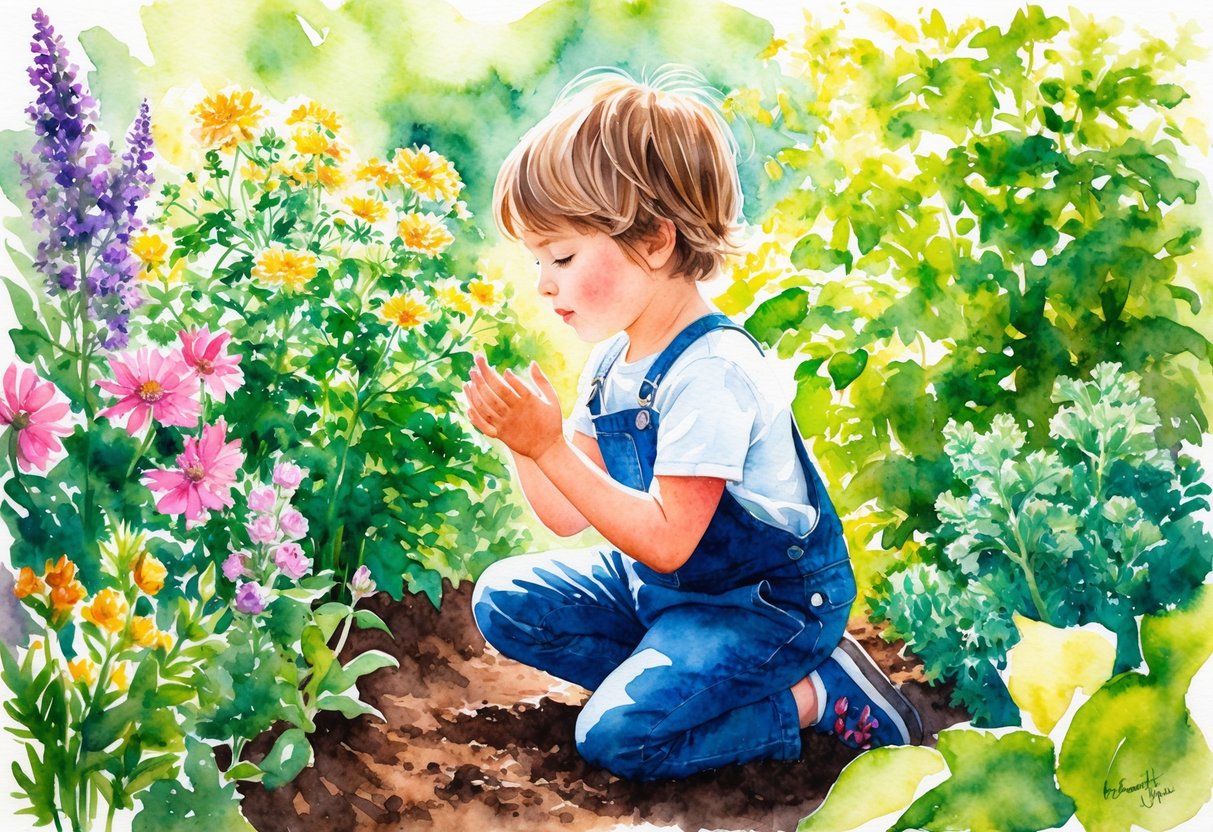
Gardening offers a wonderful way for kids to explore their senses. You can create a space that stimulates sight, sound, touch, smell, and even taste.
This hands-on experience helps children connect with nature in a fun and exciting way.
Touch, Taste, and Smell: A Sensory Garden
You can make a vibrant sensory garden that’s perfect for kids.
Plant soft, fuzzy lamb’s ear next to rough-textured sage. Add mint and basil for yummy smells and tastes.
Don’t forget about fruit! Strawberries and cherry tomatoes are great for little hands to pick and eat. Lavender and rosemary release lovely scents when you brush against them.
Try making scent jars with different herbs. Kids can guess what’s inside by smell alone. It’s like a fun game that teaches them about plants too!
Visual and Auditory Delights of Nature
Your garden can be a feast for the eyes and ears too. Plant a rainbow garden with flowers in every color. Sunflowers, marigolds, and petunias are easy to grow and super colorful.
Add wind chimes or hang bells from tree branches. The gentle tinkling sounds are so soothing. You can even make musical instruments from natural materials like dried gourds or bamboo.
Don’t forget about wildlife! Put up a bird feeder or plant flowers that attract butterflies. Watching and listening to these garden visitors is always exciting for kids.
Conclusion
Gardening with kids is a wonderful way to spend time together. You’ll create lasting memories while teaching valuable life skills.
Your little ones will gain confidence as they watch seeds grow into plants. They’ll learn patience and responsibility by caring for their garden.
Gardening gets kids moving and playing outside. It’s great exercise and helps them connect with nature.
You might even see picky eaters try new veggies they’ve grown themselves! Gardening can encourage healthier eating habits.
Kids who garden often do better in school too. They learn problem-solving and science concepts hands-on.
So grab some seeds and start digging! The benefits of gardening for kids are endless. You’ll nurture their growth along with the plants.


