


If you click on my affiliate/advertiser links, Big Top Kids Gifts (aka Lisa Woods) will receive a
small commission 😉 The products and services I recommend are ones that I believe will benefit you.
(updated 2025)
Taking those first steps is such an exciting milestone in your baby’s life! As a parent, you want to make sure those tiny feet have the perfect support. The best baby walking shoes should be lightweight, flexible, and have ankle support to help your little one balance and move confidently.
Keep reading for our favorite picks!!
Selecting the right shoes for your new walker can be overwhelming with the numerous options available. First, walking shoes need to protect delicate feet while allowing natural movement and development. Your baby’s feet are mainly cartilage at this stage, so rigid shoes can make walking harder.
You’ll want shoes that stay on securely but don’t squeeze those pudgy feet. Look for wide-toe boxes that let little toes spread naturally for better balance. The right shoes will help your baby feel stable and confident as they toddle around and explore their world.
Key Takeaways
- Flexible, lightweight shoes support natural foot development and movement
- Wide toe boxes allow toes to spread for better balance while walking
- Proper ankle support helps new walkers feel stable and confident
The Importance of Proper Footwear for New Walkers
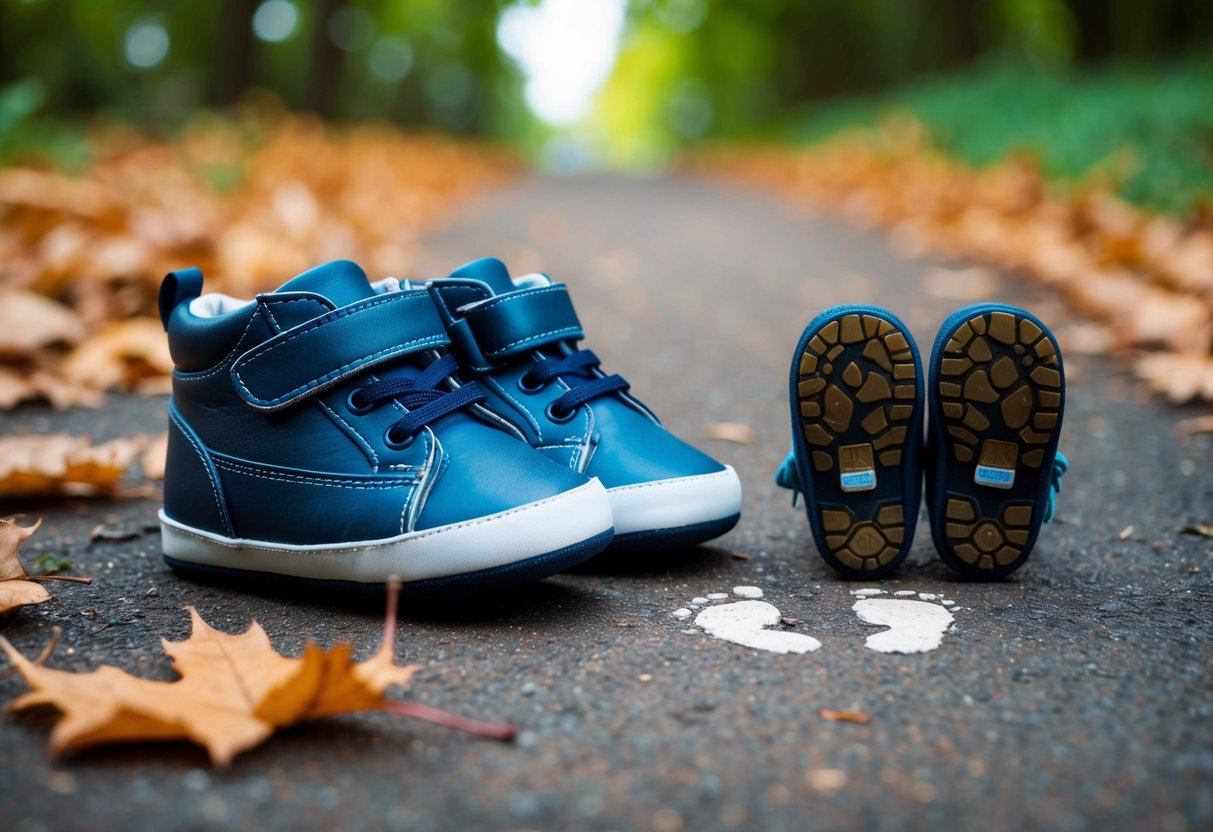
Choosing the right shoes for your little one’s first steps shapes their foot development and walking confidence. Your baby’s feet need room to grow and strengthen naturally through these exciting milestones.
Understanding Foot Health and Development
Your baby’s feet contain soft, flexible bones that continue growing and hardening until age 5. These tiny feet have natural padding and special arches that help them learn balance.
Tight or rigid shoes can harm foot development. Your baby’s toes need space to grip and spread while standing and stepping.
Signs of proper foot development:
- Straight toes with space between them
- Flat feet (normal in babies and toddlers)
- Even wear on the soles of shoes
Why Barefoot Is Best for Learning to Walk
Going barefoot helps your baby feel the ground and develop foot strength. They use their toes to grip and balance better without shoes.
Let your baby practice on different safe surfaces:
- Smooth hardwood floors
- Carpeting
- Grass (when supervised)
- Textured play mats
The nerve endings in their feet send important signals to their brain about position and movement. This helps them learn faster.
Key Features of High-Quality Baby Walking Shoes
Your baby needs shoes that support natural movement while protecting their feet. Look for these essential features:
Must-have qualities:
- Flexible, non-slip soles
- Lightweight materials
- Wide toe box
- Soft, breathable fabric
- Secure but adjustable closure
Choose shoes that bend easily at the ball of the foot. Measure both feet regularly since they grow fast.
A good fit leaves about a thumb’s width of space at the toe. Try shoes on in the afternoon when their feet are slightly larger.
Choosing the Right Baby Walking Shoes
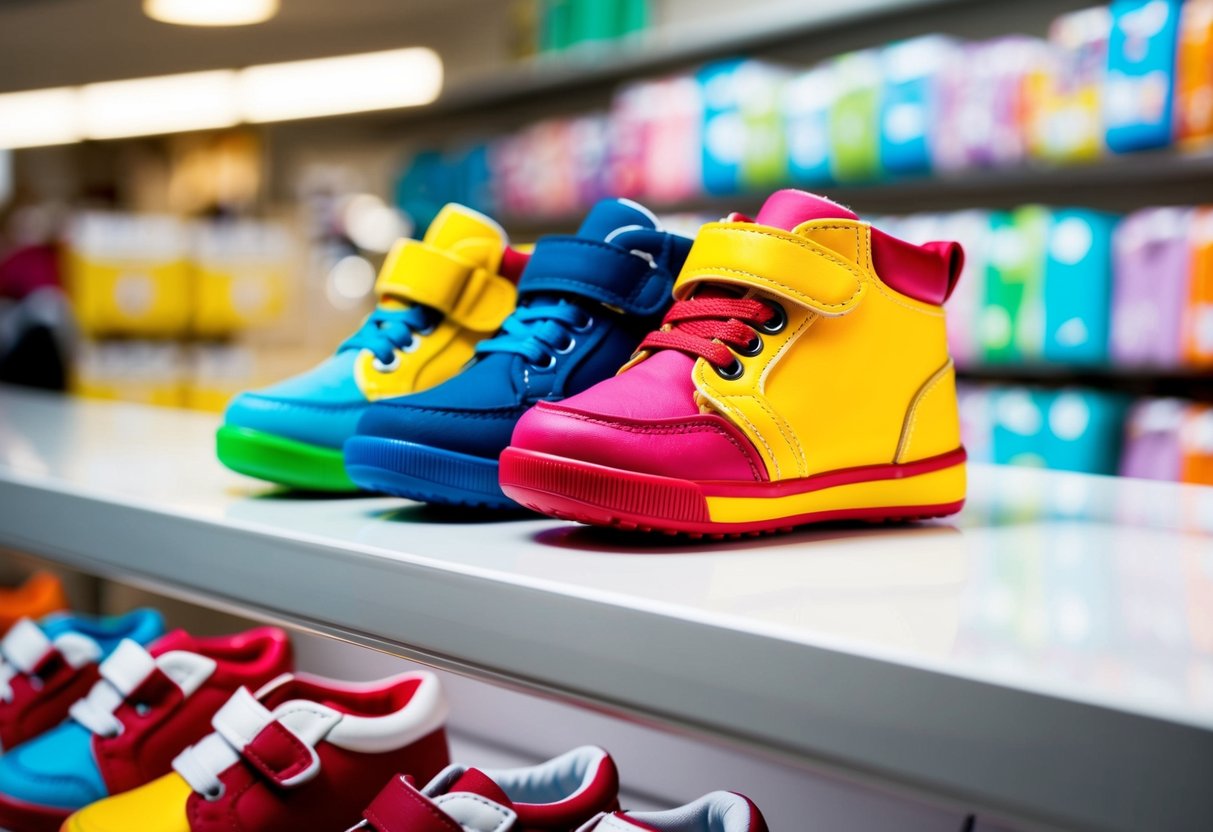
Your baby’s first steps are precious moments that need the perfect pair of shoes to support their growing feet. Baby walking shoes must balance protection and natural movement while being easy to put on and take off.
Assessing the Fit and Comfort
Your little one needs shoes with a wide toe box to let those tiny toes spread naturally. Make sure you can fit your pinky finger between their heel and the back of the shoe.
Look for shoes that are a half-inch longer than their longest toe. This gives them room to grow without tripping.
Measure both feet – they might be different sizes! Shop for shoes later in the day when their feet are slightly bigger.
Check for any red marks or pressure points after wearing. If you see any, the shoes are too tight.
Flexibility vs. Support Balance
Pick shoes that bend at the ball of the foot but offer light support at the heel. You should be able to twist the shoe gently – if it’s rigid, it’s too stiff.
Soft-soled shoes work best for new walkers. They help strengthen foot muscles and improve balance.
As your toddler gets more confident, choose shoes with slightly firmer soles for outdoor protection.
The sole should have gentle grip patterns – nothing too thick or heavy that might make them stumble.
Material Considerations
Cotton canvas and soft leather are ideal choices. They’re breathable and mold to your baby’s feet.
Look for moisture-wicking linings to keep those little feet dry and comfy.
Skip synthetic materials that can make feet sweaty and uncomfortable.
Bonus tip: Machine-washable shoes are super handy for those muddy playground adventures!
Closure Types for Easy Wear
Velcro straps are your best friend – quick to fasten and adjust throughout the day.
Double-strap designs work great for chubby feet and high insteps.
Elastic panels on the sides help with easy on-off while keeping the shoes secure.
Avoid laces until they’re older – they can come untied and cause trips.
Recommended Baby Walking Shoes
Picking the right shoes for your little one’s developing feet means focusing on flexibility, support, and proper fit – three essential features that help tiny feet grow strong and healthy.
Top Picks for First Walking Shoes
The Stride Rite 360 Baby Taye 2.0 offers amazing ankle support with a flexible sole – perfect for those wobbly first steps.
See Kai Run Stevie II shoes have rounded edges that make walking feel natural and fun. Your baby’s toes will have plenty of room to grip and spread.
Ten Little Everyday Original shoes feature wide toe boxes and super-bendy soles that help strengthen foot muscles. They’re a breeze to put on squirmy feet too!
The Best Shoes for Different Stages of Walking
For early crawlers, Robeez First Kicks provide just enough protection while letting those tiny feet feel the ground. The soft leather moves with every wiggle and kick. Also, check out their other adorable soft-sole shoes. So many cute styles to choose from!!
Once your baby starts cruising, Native Shoes Jefferson offers lightweight protection and grip. The perforated design keeps little feet cool during active play. These come in so many colors. You gotta check them out!
The New Balance Kids’ 574 is a stylish and comfortable sneaker designed for active children, featuring a durable upper made from suede and mesh for breathability and support. With lightweight EVA foam cushioning and a rubber outsole for excellent traction, it’s perfect for everyday adventures while accommodating growing feet.
For confident walkers, Keds Champion sneakers give great stability with canvas uppers that let feet breathe. They will match everything in their wardrobe.
Remember to measure both feet before buying – babies often have slightly different-sized feet!
Special Considerations for Baby Shoes
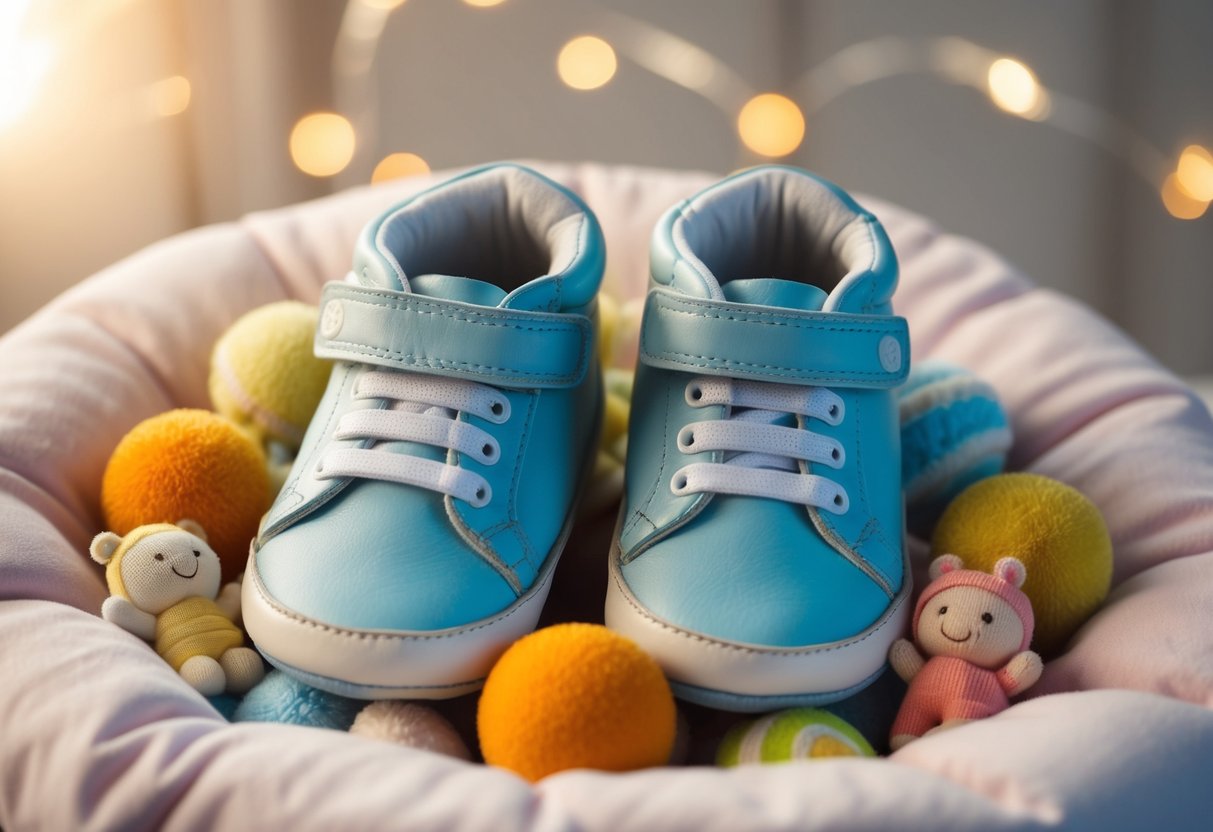
Your baby’s growing feet need special care when it comes to choosing shoes. A good pair needs to be easy to clean and accommodate unique foot shapes.
Machine-Washable Options
Baby walking shoes get dirty fast, so washable options make life easier. Look for shoes made from canvas or mesh materials that can go straight into the washing machine.
Velcro straps stay secure and make cleaning simpler than laces or buckles. Just remove the insoles before washing and let them air dry completely.
Many soft-bottom shoes now come in machine-washable styles. These are perfect for crawling and cruising stages when your little one is exploring everything.
Adapting to Special Foot Needs
Every baby’s feet develop differently. Some need extra room for wide feet, while others require more arch support.
Proper foot support helps your baby walk confidently. Look for adjustable straps that accommodate different foot widths.
Slip-on styles work well for babies with high insteps. Choose shoes with flexible soles that bend easily at the ball of the foot.
If your baby has flat feet, pick shoes with built-in arch support. Stylish baby sandals now come with supportive features too.
Health and Safety Features
When choosing baby walking shoes, safety features and proper foot support play a vital role in your little one’s development and protection.
American Podiatric Medical Association Seal of Acceptance
The APMA Seal of Acceptance is like a gold star for baby shoes. When you see this seal, you can trust that experts have carefully reviewed the footwear for your baby’s foot health.
Look for shoes with memory foam footbeds – these provide gentle cushioning for your baby’s sensitive feet. Soft, flexible materials allow natural foot movement while walking.
Many pediatric-approved walking shoes feature breathable materials to keep tiny feet cool and comfortable.
A number of the shoes we have featured have a seal of acceptance from the APMA.
Traction and Stability for Confident Steps
Your baby needs shoes with non-skid soles to prevent slipping on smooth surfaces. Quality walking shoes feature textured rubber bottoms that grip the ground.
Suede bottoms offer excellent traction while remaining lightweight enough for new walkers. Wide, stable bases help your baby balance better.
The shoe’s ankle support should be firm but not restrictive. This lets your baby’s ankles develop strength naturally while preventing wobbling.
Choose shoes with flexible soles that bend at the ball of the foot. This mimics natural foot movement and helps build foot muscles.
Maintaining Baby’s Walking Shoes
Taking good care of your baby’s shoes helps them last longer and keeps your little one’s feet healthy and comfortable. A few simple habits can make a big difference.
Cleaning and Care Tips
Wipe your baby’s shoes with a damp cloth after each wear to remove dirt and dust. Use a special suede brush for suede shoes to keep them looking fresh.
For soft-soled shoes like Robeez First Kicks, hand-wash them with mild soap and warm water. Let them air dry naturally, away from direct heat or sunlight.
Hard-soled shoes need regular cleaning, too. Use a gentle baby wipe or a slightly damp cloth to clean the soles. Don’t put them in the washing machine – this can damage the support structure.
Store shoes in a cool, dry place. Stuff them with tissue paper to help maintain their shape.
When to Replace Baby’s Shoes
Check the soles every few weeks for signs of wear. If you see smooth spots or uneven wear patterns, it’s time for new shoes.
Measure your baby’s feet every 2-3 months. Growing feet need more space – replace shoes when there’s less than a thumb’s width between the toe and shoe tip.
Look for scuff marks or holes in soft-soled shoes. These create tripping hazards and should be replaced right away.
Most babies need new shoes every 3-4 months during their first year of walking. Your active toddler might need replacements even more often.
Conclusion
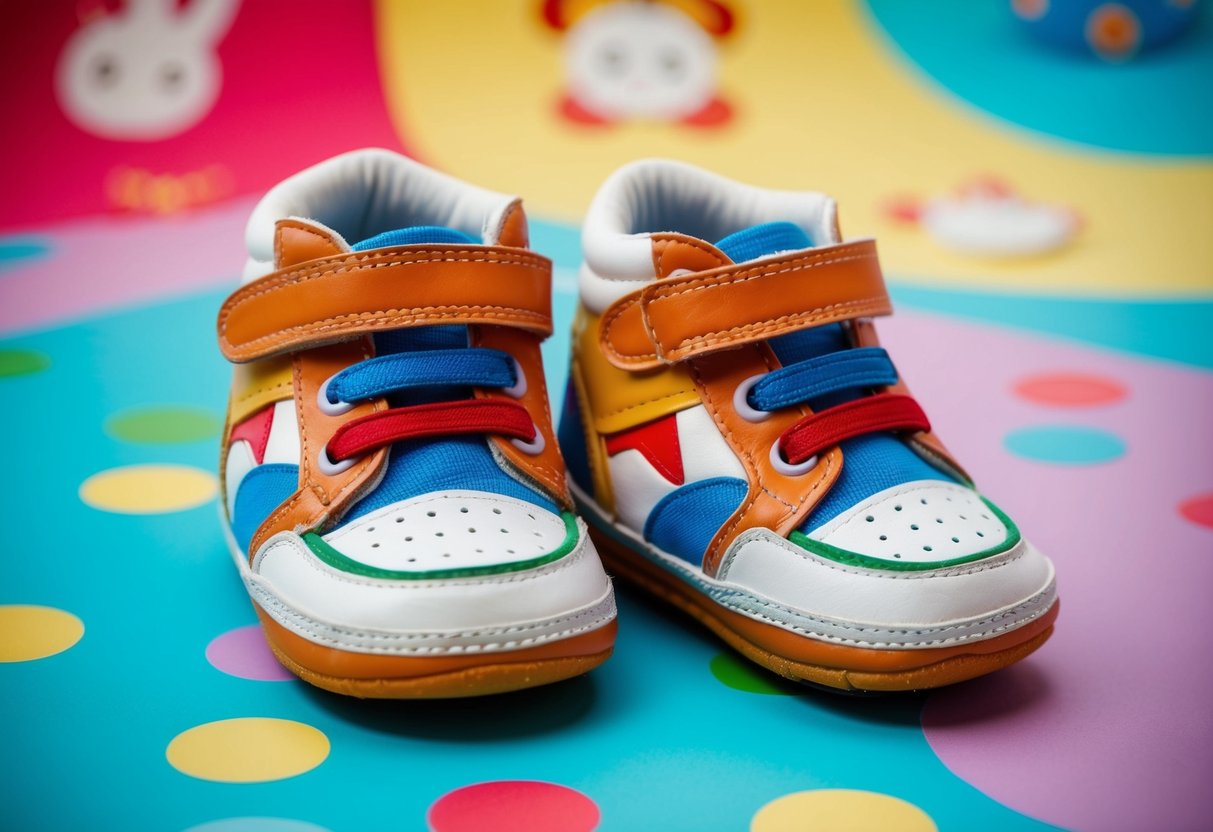
Your baby’s first steps are a special milestone. Baby shoes for learning to walk need key features to support healthy development.
Look for shoes with a firm heel cup to keep tiny feet stable. This helps prevent wobbling and builds confidence as your little one explores.
Remember that proper fit is crucial. You’ll want to measure your child’s feet regularly, as they grow quickly at this stage. Leave about half an inch of space at the toe.
Choose lightweight, flexible materials that let feet breathe. The best walking shoes bend easily at the toe while still protecting those precious feet.
Your baby’s shoes should have non-slip soles for safety. This gives them the grip they need when practicing on different surfaces.
Trust your instincts – if your child seems uncomfortable in certain shoes, try a different pair. The right shoes will support natural movement and make walking practice fun.


