


If you click on my affiliate/advertiser links, Big Top Kids Gifts (aka Lisa Woods) will receive a
small commission 😉 The products and services I recommend are ones that I believe will benefit you.
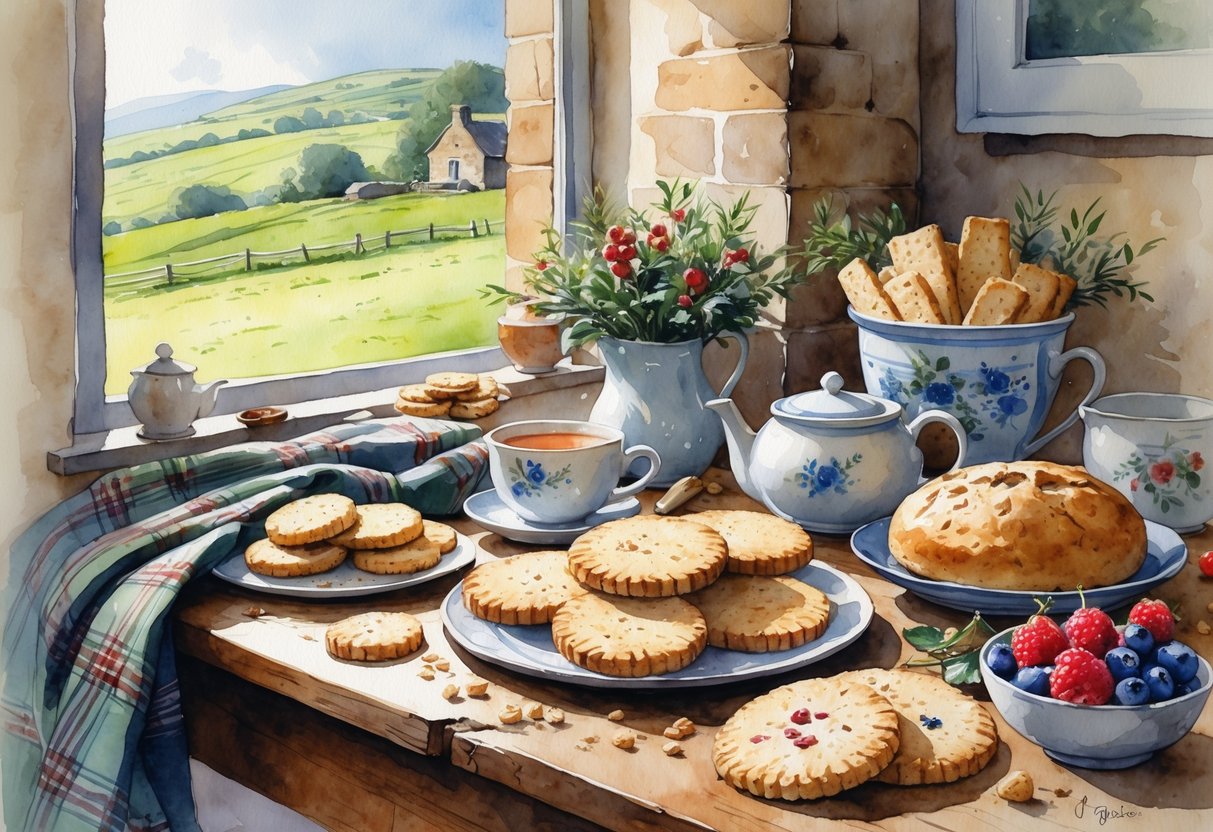
Frequently Asked Questions
Which classic Scottish foods do kids usually like?
You often see children enjoy mild and familiar traditional Scottish dishes. These foods use simple flavors and soft textures.
- Shortbread with butter and sugar
- Porridge made with oats and milk
- Scotch broth with small cuts of meat and vegetables
- Fish pies with mashed potato topping
Many families begin with easy Scottish recipes for kids that are familiar to children already. You can find ideas in guides to kid-friendly Scottish recipes.
What easy Scottish main dishes work well for family meals?
You can cook several authentic Scottish family dinners with basic tools and low effort. These meals fit well into busy weeknights.
| Dish | Why It Works |
|---|---|
| Stovies | Uses leftover potatoes and meat |
| Mince and tatties | Simple beef and mashed potatoes |
| Cullen skink | Creamy soup with smoked fish |
Many of these dishes appear in lists of traditional Scottish dishes locals eat.
Which Scottish vegetarian meals suit children?
You can serve Scottish vegetarian recipes that rely on grains, dairy, and vegetables. These dishes avoid strong spices.
- Vegetable Scotch broth with barley
- Cheese and potato pies
- Oatcakes with mild cheese
These options work well when you want meat-free meals that still feel traditional.
How can you cook Scottish meals on a budget?
You can keep costs low by using pantry staples common in Scottish home cooking. Many recipes grew from thrift.
- Buy oats, potatoes, and onions in bulk
- Use leftovers in dishes like stovies
- Choose soups and bakes over roasts
Collections of traditional Scottish recipes often focus on affordable ingredients.
Which Scottish desserts have historical importance?
Several traditional Scottish desserts are connected to family life and celebrations. You still see them in many homes.
- Tablet, a crumbly sugar sweet
- Clootie dumpling, a boiled fruit pudding
- Cranachan, oats with cream and berries
Tablet stands out for its unique texture, which differs from fudge, as explained in guides to Scottish tablet recipes.
What traditional Scottish snacks reflect food heritage?
You can find Scottish snacks that children eat between meals or with tea. These foods travel well and store easily.
- Oatcakes
- Butter biscuits
- Fruit scones
Many of these snacks appear in collections of authentic and simple Scottish recipes.
The Scottish Culinary Landscape
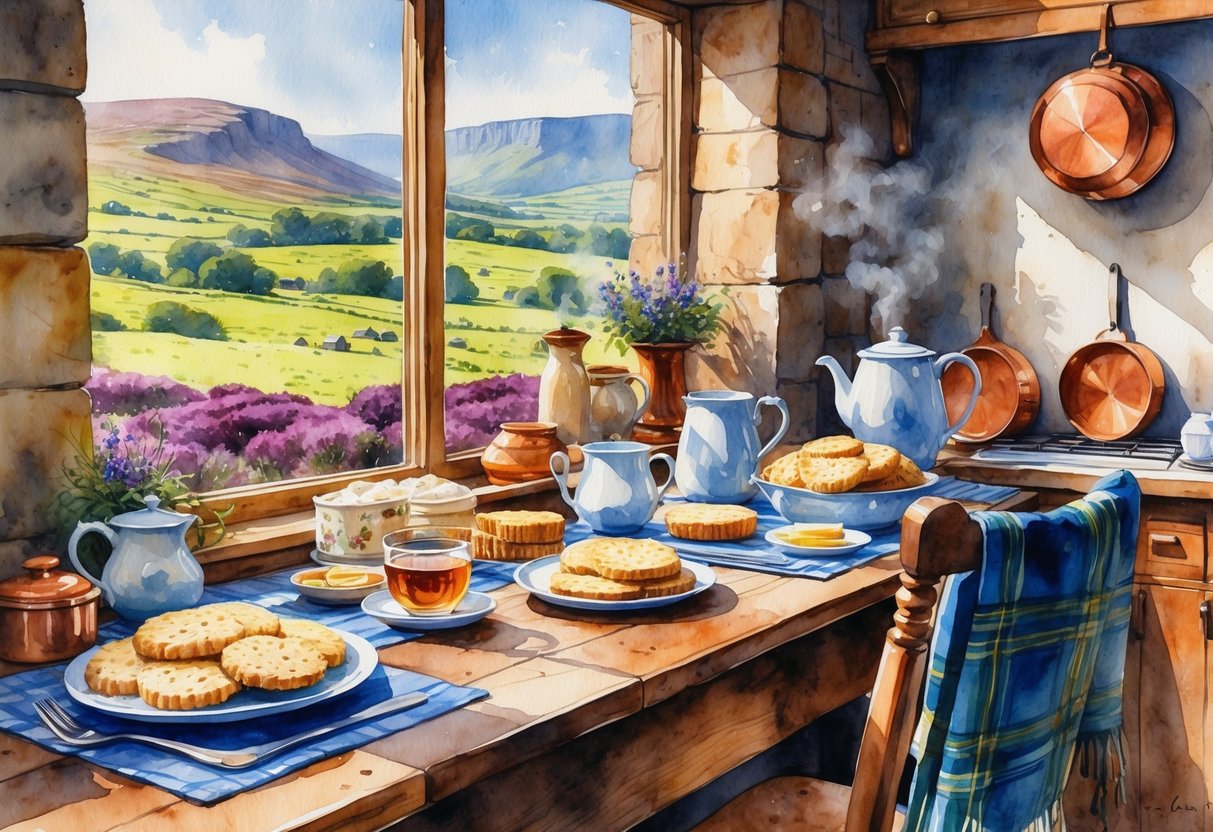
You see childhood recipes from Scotland shaped by cold weather, local farms, and simple home kitchens. Families passed down meals that filled you up, used easy-to-find foods, and taught you how to cook with care. These dishes still guide traditional Scottish food today, both at home and in cafés.
Many meals you grew up with focused on oats, potatoes, dairy, and slow-cooked meats. You learned flavors early through soups, bakes, and sweets made for daily life, not special events. Guides to traditional Scottish food locals love reflect this practical style.
Common childhood dishes you may recognize:
- Porridge with salt or honey
- Scotch broth with barley and root vegetables
- Mince and tatties with onion gravy
- Oatcakes served with cheese or butter
- Simple puddings like rice pudding or shortbread
These foods appear often in collections of traditional Scottish recipes that focus on home cooking rather than restaurant trends.
| Core Ingredient | Why You Saw It Often |
|---|---|
| Oats | Cheap, filling, and easy to store |
| Potatoes | Grown locally and used in many meals |
| Milk & butter | Common in rural homes |
| Root vegetables | Lasted through long winters |
When you look at modern lists of authentic Scottish dishes, you still find these same building blocks. They show how childhood recipes from Scotland continue to shape everyday cooking without changing their purpose or flavor.
The Role of Grandparents in Passing Down Recipes
You often learn childhood recipes from Scotland by watching your grandparents cook at home. They show you how to make simple foods like porridge, tattie scones, and Scotch broth through daily meals, not written notes. This hands-on teaching helps you remember steps, timing, and taste.
Many families rely on grandparents to keep food traditions alive through shared routines. Cooking together builds habits that pass from one generation to the next, which reflects how families pass down family recipes across generations.
Ways grandparents teach you recipes:
- Letting you help with safe kitchen tasks
- Explaining why certain ingredients matter
- Sharing when and why the dish gets served
These moments match research showing that children learn food traditions by doing age-appropriate kitchen work with older family members, as seen in building family traditions in the kitchen.
Grandparents also pass along stories tied to food. When you cook a childhood recipe from Scotland, you often hear where it came from or who cooked it first. This link between food and memory supports how recipes preserve family history, similar to how old family recipes reflect cultural heritage.
| What You Learn | How It Sticks With You |
|---|---|
| Traditional Scottish ingredients | You recognize flavors from childhood |
| Cooking methods | You repeat them without measuring |
| Family food customs | You keep serving the same dishes |
By learning directly from your grandparents, you help protect everyday Scottish recipes that might otherwise fade with time.
Preserving and Adapting Recipes Over Time
You often protect childhood recipes from Scotland by writing them down and sharing them with family. Handwritten cards, photo scans, and simple digital notes help you keep dishes like tattie scones, porridge, and mince alive across years. Passing meals along keeps family ties strong, which many cooks note when passing down family recipes across generations.
You also adapt recipes as your life changes. You swap ingredients when shops change, adjust salt or fat for health needs, or scale portions for smaller homes. These updates respect tradition while allowing flexibility, a balance many families practice when adapting traditional recipes over time.
Common ways you preserve and adapt Scottish childhood dishes
- Keep the core method, like griddle cooking for bannocks.
- Replace hard-to-find items with close local options.
- Note family stories next to the recipe to keep context.
- Test changes and record what works.
| Original Dish | What You Keep | What You Adjust |
|---|---|---|
| Porridge | Oats and slow cooking | Milk choice or toppings |
| Scotch broth | Long simmer | Seasonal vegetables |
| Shortbread | Butter base | Sugar level or bake time |
You keep recipes useful by letting them grow with you. That approach helps your Scottish family recipes stay familiar, practical, and ready for the next generation.


