


If you click on my affiliate/advertiser links, Big Top Kids Gifts (aka Lisa Woods) will receive a
small commission 😉 The products and services I recommend are ones that I believe will benefit you.
When you consider the landscape of modern education, you’re often confronted with the critical importance of school quality. This concept encompasses everything from the qualifications of teachers and the pupil-to-teacher ratio to the resources available for student learning. A quality education sets the foundation for individual success and is essential for nurturing capable, informed citizens who can contribute positively to society. With the growing acknowledgment of education’s role in economic growth, it’s crucial to understand how the features of public schools affect educational outcomes and the returns on investment in education and school quality
.
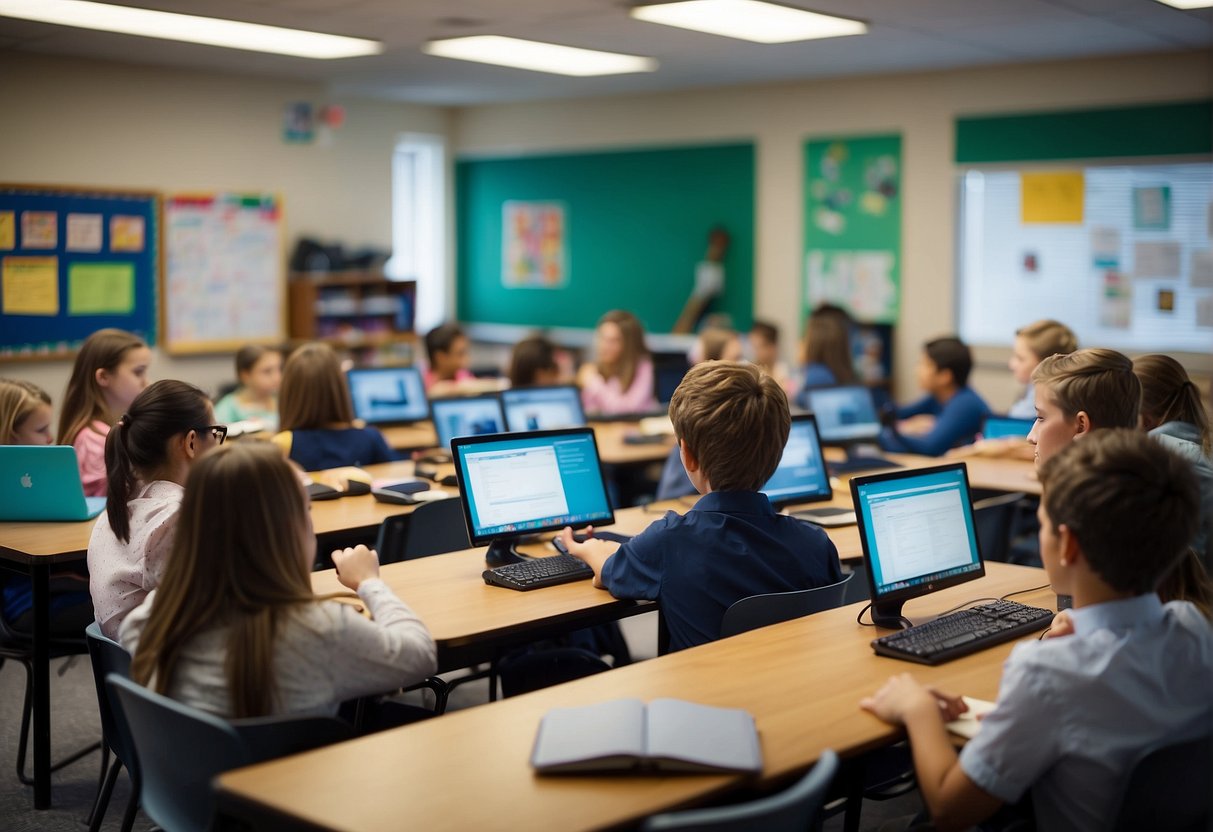
In the United States, the characteristics of public schools are a topic of intense study and debate, as variations in school quality often reflect broader socioeconomic inequalities. Parameters such as average term length and relative teacher pay have been associated with the rate of return to education, suggesting that students from higher-quality schools may gain more substantial benefits from their education and school quality. As you delve into this complex topic, you’ll discover a plethora of research, such as dynamic approaches to school improvement that blend educational effectiveness research with practical enhancement strategies.
Your engagement with this subject could reveal how investment in optimizing school infrastructure, as well as curricular and extracurricular offerings, directly influences the long-term importance of school quality. Additionally, adopting a value-added approach can shed light on how improvements in school quality impact educational outcomes. These insights are crucial not only for policymakers and educators shaping the future of schools but also for you as a stakeholder in the educational system, whether as a student, parent, or community member.
Foundations of School Quality
When exploring the foundations of school quality, you must consider both the definition of quality education and the tangible aspects of school infrastructure. Each plays a pivotal role in shaping educational experiences.
Defining Quality Education
Quality education is a comprehensive term that encompasses various factors critical to effective learning. Academic achievement is often the focus, but personal development, social skills, and emotional intelligence are equally crucial components. Quality education offers you and your children the tools necessary for lifelong learning and success.
Quality education is evidenced through high standards of teaching, a relevant and challenging curriculum, and the assessment of learners to guarantee they are meeting educational objectives. This supports the development of skills and knowledge essential for personal growth and societal contribution.
Key Components of School Infrastructure
School infrastructure represents the physical and organizational structures necessary for an educational institution to function effectively. Here are the key components of robust school infrastructure:
- Facilities: Well-maintained buildings, classrooms, laboratories, and libraries are indispensable. These spaces must be safe, accessible, and conducive to learning.
- Technology: Advanced educational technology, such as computers and interactive whiteboards, facilitates innovative teaching methods and learning experiences.
- Administrative Systems: Efficient administrative systems ensure smooth daily operations, contributing to overall school quality.
- Support Services: Services such as counseling, health care, and extracurricular activities are vital for addressing students’ holistic needs.
By fortifying these components, a school lays a solid foundation for delivering quality education.
State of Schools in the US
In the US, your child’s education quality can differ significantly based on the state and district. Key performance metrics and comparative analysis between states like Virginia and Massachusetts highlight these differences.
Evaluating Student Achievement
Your understanding of student success in schools is often gauged through standardized tests and overall academic performance. Systems to evaluate schools may include accountability measures that assess the efficacy of the school’s educational programs, and these evaluations can influence school improvement efforts.
National Assessment of Educational Progress
The National Assessment of Educational Progress (NAEP) is known as the Nation’s Report Card and is a pivotal tool in evaluating student achievement. Through this assessment, you can track the progress and performance of students in various subjects over time on a broad, national scale.
Comparative Analysis: Virginia versus Massachusetts
Virginia:
- The latest data indicates variations in student achievement.
- Has made significant efforts to raise educational standards and teacher quality.
Massachusetts:
- Consistently ranks high on the NAEP, indicating a strong overall school system.
- Known for equitable funding and focus on quality education, which reflects in higher student performance levels compared to many other states.
Diversity and Inequality

As you explore the educational landscape, it’s crucial to understand how diversity and inequality intertwine, specifically through the prisms of poverty, segregation, and the distinctive challenges faced by black communities and students with disabilities.
Effects of Poverty and Segregation
When you consider the effects of poverty on education, it’s apparent that limited financial resources can lead to a concentration of students in underfunded schools. These schools often lack essential materials and qualified teachers. A study examining neighborhood effects reveals that income inequality and segregation by socioeconomic status create educational disparities, which contribute to a cycle of poverty. Economic diversity—or lack thereof—in a community can often be a predictor of the quality of local schools.
Education in Black Communities and for Students with Disabilities
In black communities, historical and ongoing segregation has resulted in a lack of access to quality educational resources. For instance, predominantly black schools are more likely to face teacher shortages and insufficient academic materials, which inhibit the quality of education. As for students with disabilities, they require tailored educational programs and services, yet they frequently encounter barriers to accessing such support, exacerbating educational inequality. Research has pointed out that access to quality teaching is a significant factor influencing educational outcomes, especially for these students.
Educational Methods and Outcomes
In addressing educational methods and outcomes, it’s essential to consider the effectiveness of various teaching approaches and their corresponding impact on student achievement and readiness for future endeavors.
Traditional vs. Innovative Methodologies
Traditional methodologies often emphasize rote memorization and standardized testing. Your success in this framework is generally measured by test scores that reflect how well you’ve absorbed the provided curriculum. However, there’s been a shift towards innovative methodologies, which prioritize critical thinking and problem-solving skills over memorization. Studies, such as the one examining the value-added effects of report card indicators, suggest the need for broader assessment approaches.
- Traditional:
- Focus: Memorization, standardized curriculum
- Measurement: Standardized test scores
- Innovative:
- Focus: Critical thinking, student engagement
- Measurement: Diverse assessments, skill acquisition
Benchmarks for Student Learning and Career Readiness
Establishing benchmarks for student learning is fundamental to gauging educational success. These benchmarks should extend beyond mere test performance to include the acquisition of skills vital for career readiness. For example, a study linked preschool quality with cognitive outcomes that underscore the long-term importance of quality early education in shaping future skills.
- Benchmarks in Student Learning:
- Cognitive and behavioral development
- Mastery of subject-specific knowledge
- Benchmarks in Career Readiness:
- Practical application of academic concepts
- Social and communication skills for workplace success
By balancing traditional and innovative teaching methods with clear benchmarks for student learning and career readiness, your education can be tailored to meet the demands of the modern world, giving you the tools to succeed in your future career.
Education Policy and Reform

In this section, you’ll explore the intricacies of educational policy aimed at improving school quality, including financial allocations, the impact of reforms, and the role of school choice programs.
Public Education Spending
To understand the landscape of public education spending, you must examine how funds are distributed and prioritized. It’s essential to assess whether resources are allocated equitably across schools and how these financial decisions influence educational quality. Increased spending is often associated with smaller class sizes, better teacher salaries, and improved school facilities.
Effectiveness of Education Reform and Policy Implementation
When discussing education reform and policy implementation, it is pivotal to consider how these changes are translated into practice. The success of policies, such as those aimed at teacher professional development or curriculum enhancements, hinges on effective implementation at the school and district levels. You’ll find that policies are most effective when they include clear objectives and support mechanisms for educators.
Charter Schools and School Choice Legislation
The introduction of charter schools and school choice legislation has sparked considerable debate. Charter schools are publicly funded but operate independently from the traditional public school system, providing an alternative that proponents argue can lead to innovative teaching methods and improved student outcomes. Legislation suggesting broader school choice supports the notion that competition can elevate overall education standards.
Scholarships and Vouchers Impact
Scholarships and vouchers are financial tools that aim to increase students’ access to quality education. Vouchers allow public education funds to follow students to schools of their choice, potentially including private institutions. This financial flexibility supports the argument that these mechanisms can open doors for students from various socioeconomic backgrounds to pursue a higher-quality education.
Evaluating and Enhancing School Divisions

In education, the continuous evaluation and enhancement of school divisions are crucial to ensure the quality of teaching and learning. This process involves understanding the pivotal role of teachers and the tools used for assessing performance.
Role of Teachers in Schools
Teachers are the cornerstone of education within school divisions. You count on them to not only impart knowledge but also to guide and inspire students. Quality evaluation systems are essential for both recognizing their strengths and identifying areas for professional growth. As part of ongoing improvement strategies, the community needs to support its teachers with professional development opportunities that enhance their teaching competencies.
Assessing and Reporting Performance through Report Cards
Evaluating student progress is a critical aspect of school division functions. Report cards serve as a tool for you to communicate a student’s performance against established educational standards. As part of the evaluation strategy in schools, you use report cards to provide detailed feedback on students’ academic abilities, social skills, and behavioral development. It’s vital to use comprehensive evaluation tools on report cards that reflect upon a broad range of student skills and learning outcomes to drive educational improvements effectively.
Complementary Education Aspects

In complementary education, focusing on social and emotional development and global competencies is key to enhancing student outcomes.
The Role of Social and Emotional Learning
Social and Emotional Learning (SEL) is a critical component of complementary education. It involves teaching and fostering skills such as self-awareness, self-management, social awareness, relationship skills, and responsible decision-making. Your engagement with SEL will support a well-rounded education, paving the way for better academic performance, improved attitudes, and more positive social behaviors. Research has shown that SEL programs can lead to positive outcomes, including lower dropout rates and higher test scores.
- Self-awareness: Understanding your emotions, personal goals, and values.
- Self-management: Regulating your emotions, thoughts, and behaviors.
- Social Awareness: Showing empathy and understanding for others.
- Relationship Skills: Maintaining healthy relationships through communication and cooperation.
- Responsible Decision-making: Making ethical, constructive choices about personal and social behavior.
Preparing Students for Peace and Global Citizenship
Complementary education also plays a substantial role in preparing you for peace and global citizenship. By integrating concepts such as conflict resolution, empathetic communication, and cross-cultural awareness into the curriculum, you are better equipped to navigate and contribute to a globally interconnected world. Educational programs that include peace-building and global citizenship frameworks aim to foster a new generation adept at addressing complex global issues leading to more peaceful societies.
- Conflict Resolution: Learning to manage and resolve interpersonal and group conflicts.
- Empathetic Communication: Developing the ability to listen and respond to others with empathy.
- Cross-cultural Awareness: Understanding and appreciating cultural diversity.
By embracing SEL and global competencies in your education, you become more adept at transcending academic learning, gaining skills that are crucial for personal success and societal harmony.


