


If you click on my affiliate/advertiser links, Big Top Kids Gifts (aka Lisa Woods) will receive a
small commission 😉 The products and services I recommend are ones that I believe will benefit you.
People with autism often experience the world in unique ways through their senses. Loud noises, bright lights, or certain textures can become overwhelming quickly and may even trigger stress or meltdowns.
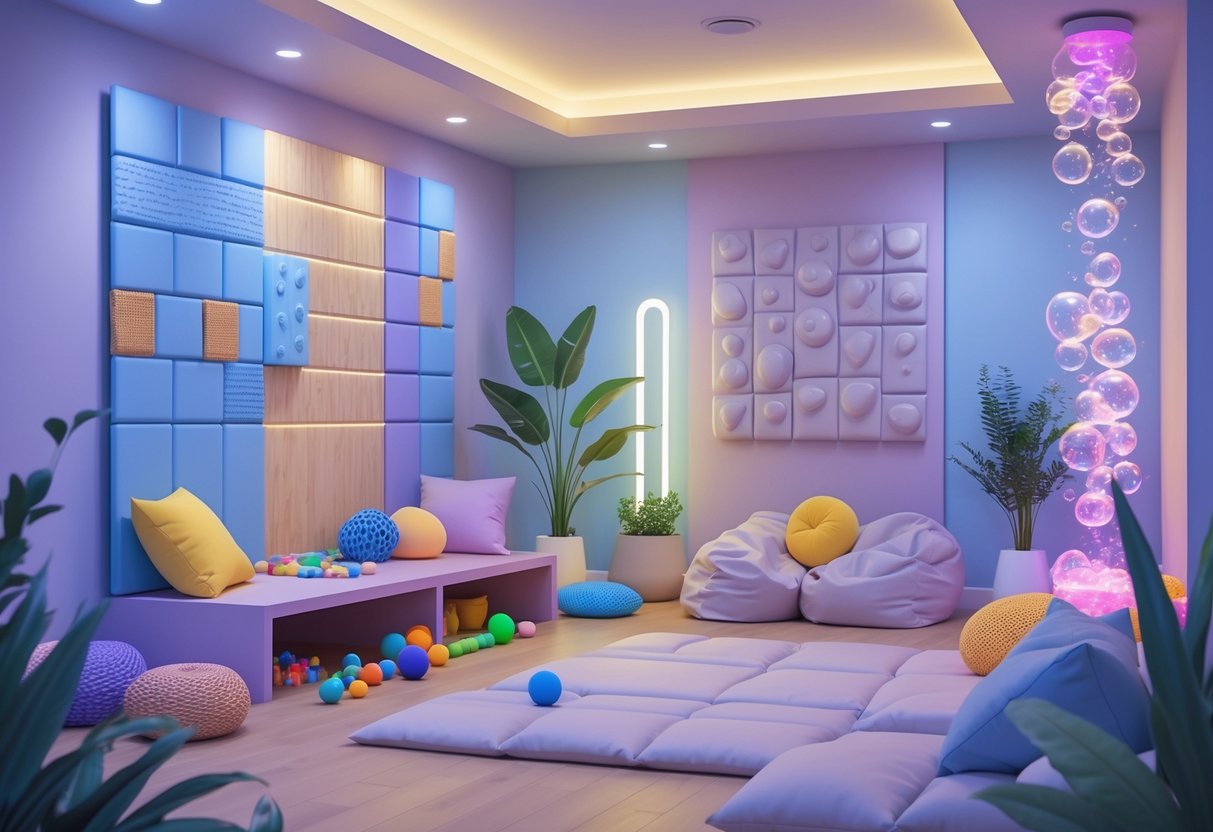
Creating an autism-friendly sensory space provides a calm and safe place to relax and feel comfortable when the world feels too intense. These areas can help reduce anxiety and offer comfort with just the right design choices.
You can build these spaces anywhere—at home, at school, or even out in the community. Choosing the right lighting, sounds, textures, and tools makes a big difference in comfort and well-being every single day.
Key Takeaways
- Learning how different senses affect autistic people helps you design better supportive spaces.
- Using lighting, sound control, and comfy textures creates calmer places and reduces overwhelm.
- Mixing quiet retreat areas with active sensory tools can support different needs throughout the day.
Understanding Autism and Sensory Needs
Autism spectrum disorder changes how people process sensory input from their environment. Many kids with autism have sensory sensitivities that can lead to discomfort or overload in everyday situations.
What is Autism Spectrum Disorder?
Autism spectrum disorder is a developmental condition that affects communication, behavior, and social interaction. Each person with autism is unique, with their strengths and challenges.
The word “spectrum” really means that autism shows up in lots of different ways. Some people need more support day-to-day, while others live independently and might not get diagnosed until they’re adults.
You might notice kids with autism process things differently from other kids. They may avoid eye contact, love routines, or get super interested in specific topics.
Common signs of autism include:
- Difficulty with social communication
- Repetitive behaviors or movements
- Strong preferences for sameness and routine
- Unusual responses to sensory experiences
Sensory Processing and Sensitivities
Sensory processing is basically how your nervous system takes in and reacts to information from your senses. That covers sight, sound, touch, taste, smell, and movement.
Lots of people with autism have differences in sensory processing. Their brains might get overwhelmed by sensory input, or sometimes not notice it enough. This can make daily life feel either too much or not enough.
Sensory sensitivities can be:
- Over-responsive – too sensitive to sensory input
- Under-responsive – not sensitive enough to sensory input
- Sensory seeking – craving more sensory experiences
These differences aren’t something someone can just “control.” It’s just how their nervous system works.
Common Sensory Challenges in Autism
Kids with autism run into a lot of sensory challenges that can impact daily life. Knowing these helps you create a better autism-friendly space.
Sound sensitivities are super common. Loud noises, sudden sounds, or a bunch of sounds at once can be distressing. Sometimes, even quiet sounds feel like too much.
Visual sensitivities show up with bright lights, fluorescent bulbs, or busy patterns. Some kids want sunglasses inside or need dimmer spaces.
Touch sensitivities affect how clothes, textures, or being touched feel. Tags, certain fabrics, or unexpected touches can be uncomfortable.
Movement and balance issues mean some kids want to spin or rock, while others avoid playgrounds or get nervous on stairs.
Smell and taste sensitivities might make kids picky eaters or bothered by things like cleaning products or perfumes.
Key Principles of Autism-Friendly Sensory Space Design
Building a good sensory space means focusing on the individual, working with pros, and making sure the environment is safe and accessible for everyone who needs it.
Person-Centered Approach
Start with the person who’ll use the space. Every autistic person has different sensory needs and preferences.
Some people want quiet places to calm down. Others need spots where they can move around and be active.
Your sensory space should match these specific needs.
Ask what helps the person feel calm. Find out which sounds, lights, or textures they like or don’t like. Jot down their answers and use them to guide your design.
Try setting up different zones. Maybe a quiet corner with soft lighting and comfy seating. In another spot, add sensory tools like fidget toys or textured materials.
Flexibility is key. Needs can change over time, so design your space so things can be moved or swapped out easily.
Think about age and abilities, too. A little kid’s space won’t look the same as a teen’s or an adult’s.
Collaboration With Occupational Therapy Professionals
Occupational therapy experts can make your sensory space way more effective. They know how sensory regulation affects daily life and what actually works.
The American Occupational Therapy Association trains specialists in autism-friendly design. They can help you pick the right tools and set up your space just right.
Occupational therapists assess individual needs. They figure out which sensory activities help with emotional regulation and which equipment works best.
They’ll also show you how to use sensory tools safely and introduce new activities at the right pace. That way, you won’t accidentally overwhelm anyone.
Check in with your occupational therapy team regularly. They can help you tweak the space as needs change, and they might have new ideas or suggestions for tools.
Safety and Accessibility Considerations
Safety comes first in any sensory space. Take out anything that could cause injury during sensory activities.
Secure furniture to the walls. Use soft stuff on sharp corners. Hide or protect electrical cords. Double-check that all sensory tools are age-appropriate and in good shape.
Plan the layout so there are clear paths for moving around. Make sure doors and exits are easy to reach. Good lighting helps prevent accidents, too.
Think about different physical abilities. Some people might need wheelchair access, while others struggle with stairs or reaching high shelves.
Install good ventilation and temperature control. Some autistic people are really sensitive to temperature changes. Keep cleaning supplies and small parts locked away.
Creating a Sensory-Friendly Environment
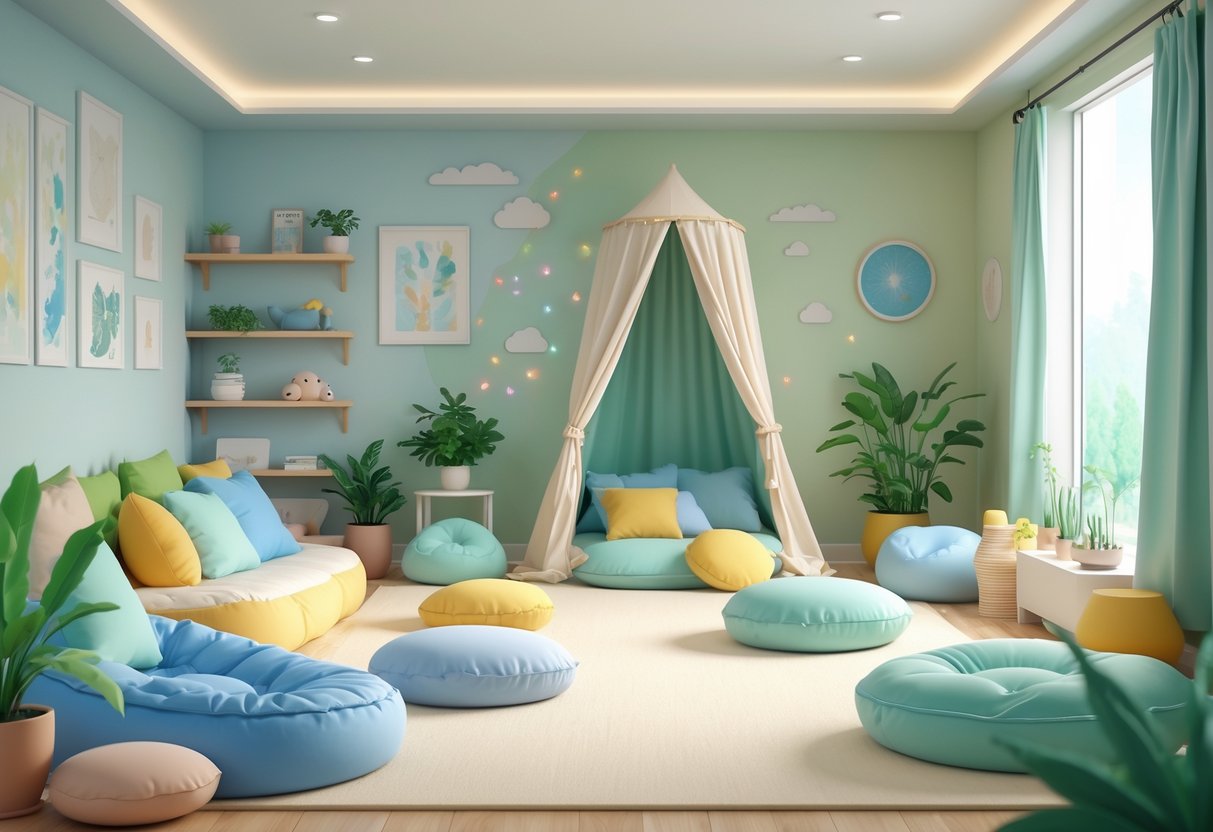
The right location and thoughtful design can make a world of difference when you’re building a sensory-friendly space. Clear visual cues help everyone understand how to use these calming areas.
Choosing the Right Location
Pick a spot that’s away from busy hallways or rooms. Corners usually work well since they feel safer and more private.
Look for places with good natural light, but skip flickering fluorescent bulbs. Use blinds or curtains so you can adjust the light easily.
Key location features:
- Away from loud sounds like HVAC systems
- Easy access to bathrooms
- Room for movement and different activities
- Good air circulation
Try to avoid basements or rooms without windows. Natural light helps regulate mood and energy.
Test the room’s acoustics by clapping. If it echoes, add rugs or fabric panels to soak up sound.
Incorporating Calming and Quiet Spaces
Create zones for different needs within your sensory-friendly space. Set up a quiet spot with bean bags or floor cushions.
Add a small tent or canopy for a cozy retreat. It’s a perfect hideaway when things get overwhelming.
Calming elements to include:
- Soft blankets and pillows
- Dim lighting options like lamps
- Noise-reducing headphones
- Fidget tools and stress balls
Stick to neutral colors like beige, soft blue, or light gray. Bright colors can be too much for some kids.
Keep things organized with clear storage bins. Label everything so it’s easy to find and put away.
Establishing Clear Visual Cues
Use visual schedules and clear signs to show how the sensory-friendly spaces work. Pictures usually help more than words alone.
Create simple rules with icons or photos. For example, use a picture of someone whispering for “quiet voices only.”
Visual cue ideas:
- Color-coded zones (green for calm, blue for quiet)
- Picture cards showing activities
- Timers for shared spaces
- Floor tape to mark different areas
Post the daily schedule where everyone can see it. Include pictures of activities and times if you can.
Stick with the same symbols everywhere. It helps people learn the system faster and feel more confident using the space.
Optimizing Sensory Elements for Comfort
Getting the sensory environment right means balancing lighting, sound, touch, and smell. Each piece plays a big role in helping someone feel comfortable and calm in their space.
Lighting: Natural and Adjustable Options
Natural light helps set a peaceful vibe. Try to put your sensory space near a window so you get that soft daylight during the day.
Adjustable lighting gives you control over brightness. Dimmer switches on overhead lights let you set the mood just right.
Table lamps with soft bulbs give off gentle light without the harsh glare. It’s a small change, but it makes a difference.
Some lighting options worth considering:
- LED strips under furniture for a subtle glow
- Salt lamps for a cozy, orange warmth
- Color-changing bulbs that shift from cool to warm
- Blackout curtains for blocking outside light when you need to
Skip fluorescent lights altogether. They flicker and buzz, which can be super irritating. Warm white bulbs around 2700K-3000K usually feel the most soothing.
Sound Control and Soothing Sounds
White noise helps drown out distracting background sounds. A good white noise machine gives you a steady, gentle sound that makes it easier to focus.
White noise machines come in all sorts of styles. Some play nature sounds like rain or ocean waves. Others let you pick between white, pink, or brown noise.
Soothing sounds that tend to work well:
- Gentle rainfall
- Ocean waves
- Soft instrumental music
- Fan noise
- Humming sounds
Use sound-absorbing stuff to keep noise levels down. Thick rugs, soft furniture, and wall hangings help cut down on echo. Heavy curtains are great for blocking outside noise, too.
Keep the volume low and steady. Sudden loud noises or total silence can both be jarring.
Tactile Stimulation and Texture Selection
Tactile stimulation—just different textures—can really help with regulating the nervous system. Soft things like fleece, velvet, and cotton feel comforting.
Put together a little texture library with materials like:
- Weighted blankets for deep pressure
- Fuzzy pillows and cushions
- Smooth stones or worry beads
- Textured fidget toys
- Soft fabric squares
Temperature matters, too. Cool marble tiles can be calming. Fleece and other warm materials are great for stressful moments.
Stay away from scratchy or rough textures that might bother someone. Always test materials first to see how they feel.
Integrating Aromatherapy and Scents
Aromatherapy uses gentle scents to help with relaxation and well-being. Scents like lavender and chamomile are known for their calming effects.
Here are some safe scent ideas:
| Calming Scents | Energizing Scents |
|---|---|
| Lavender | Peppermint |
| Chamomile | Citrus |
| Vanilla | Eucalyptus |
Reed diffusers or plug-in warmers are safer than candles. Keep scents light—strong smells can be overwhelming for some kids.
Some people don’t want any scents at all, so it’s always best to ask first. Place scent sources away from where people sit, so it’s not too strong.
Designing Sensory Zones and Tools
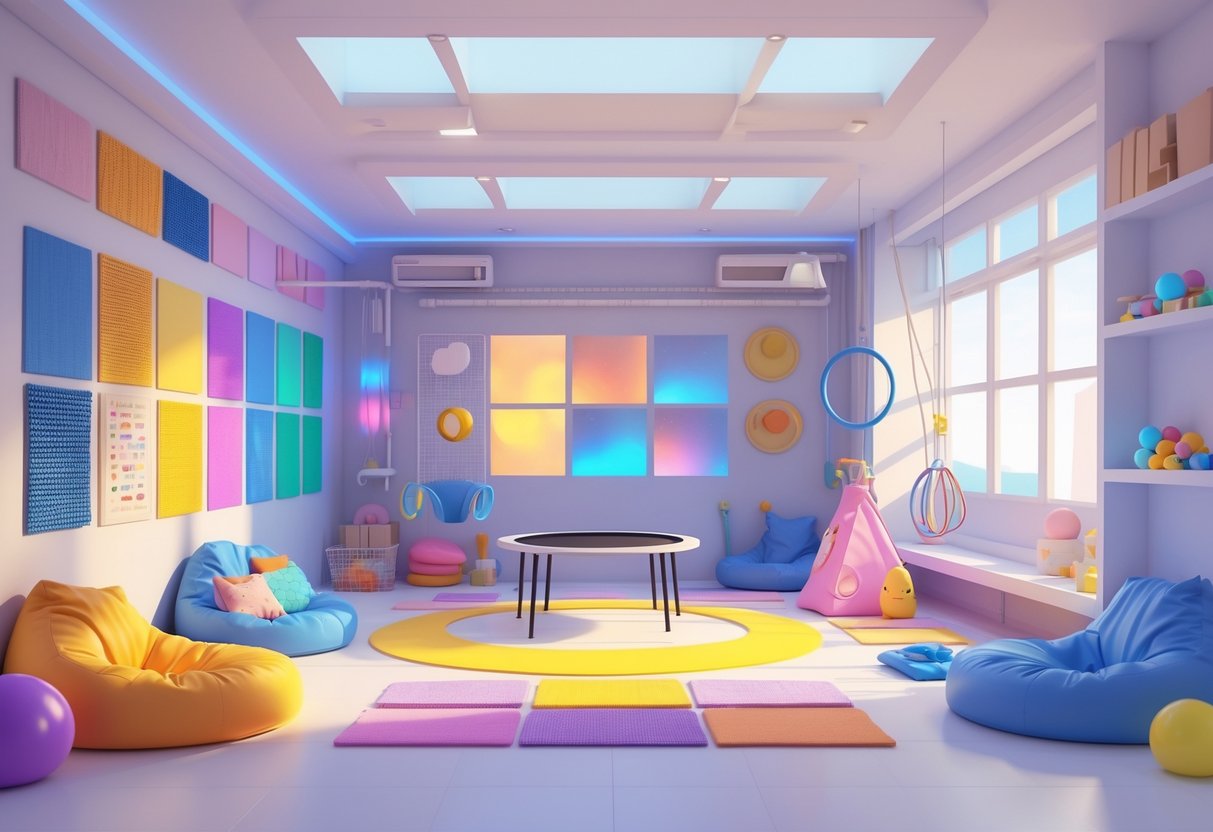
When you’re putting together a sensory space, it helps to pick out specific tools and set up zones for different needs. The right mix of bins, calming tools, toys, and visual stuff can turn any room into a supportive spot.
Personalized Sensory Bins and Kits
Sensory bins work best when you tailor them to the child. Fill clear containers with things like rice, beans, or kinetic sand. Toss in small toys, scoops, and measuring cups for exploring.
Portable sensory kits are handy, too. Use small boxes or bags and add things like stress balls, fabric squares, and fidgets. Keep one kit at home and another for school or work.
Some good sensory bin items:
- Rice or dried beans for tactile input
- Small measuring tools and scoops
- Textured balls or toys
- Fabric samples with different feels
Store bins at a height kids can reach. Label them with pictures and words. Switch out items every week to keep things interesting.
Using Weighted Blankets and Calming Tools
Weighted blankets give deep pressure that helps a lot of people feel calm and safe. Pick one that’s about 10% of the person’s body weight. Use it during quiet time, homework, or before bed.
You can also put weighted lap pads on desks or chairs for focused work. These give gentle pressure without covering the whole body—super useful for classrooms or offices.
Other calming tools to try:
- Compression vests for all-day comfort
- Weighted stuffed animals for pressure on the go
- Body socks for proprioceptive input
- Noise-canceling headphones for sound control
Always keep an eye on young kids with weighted items. Talk to a doctor before using weighted tools if someone has breathing or circulation issues.
Fidget and Sensory Toys
Fidget toys give hands something to do and can really help with focus. Pick quiet ones for classrooms and meetings—no one likes a noisy distraction.
Some effective fidgets:
- Stress balls and therapy putty
- Fidget cubes with different textures
- Tangle toys you can twist and bend
- Smooth stones or worry beads
Sensory toys offer different types of input. Vibrating toys give tactile feedback. Light-up toys are good for visual input. Textured toys are perfect for touch.
Keep a mix of toys around. What works one day might not work the next. Store them in places that are easy to reach—no one wants to hunt for their favorite fidget.
Interactive and Visual Elements
Interactive elements let people control their own sensory experience. Add dimmer switches for lights. Use room dividers to make smaller, cozier spaces.
Bubble tubes or lava lamps are nice for calming visual input. The movement is gentle and interesting, but not too much. Put them somewhere comfortable to watch.
Visual supports can include:
- Picture schedules for daily routines
- Color-coded zones for different activities
- Visual timers to show how much time is left
- Calm-down strategy cards with pictures
Hang visual elements at eye level. Use simple, clear images. Research shows that sensory-friendly zones make a big difference for people with autism.
Supporting Emotional and Sensory Regulation
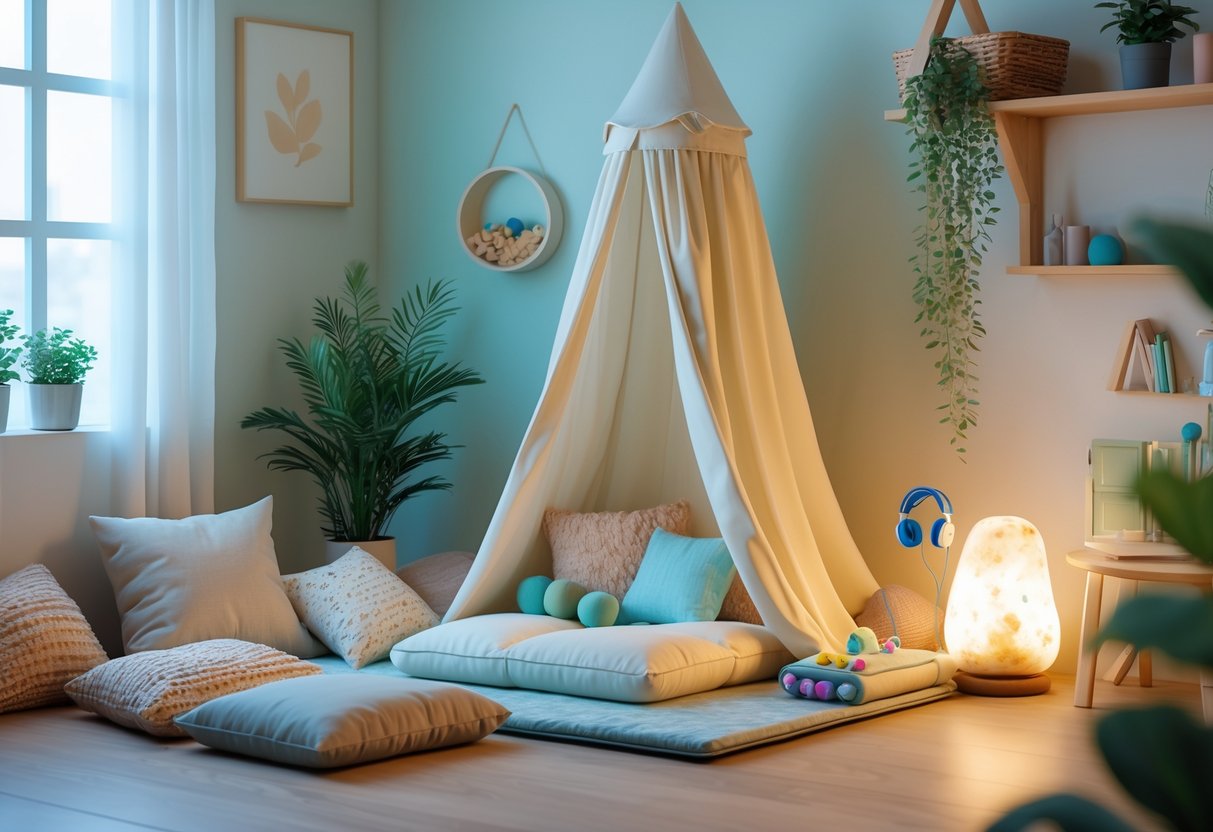
Having the right tools and strategies makes it easier for people with autism to manage their sensory needs and emotions. It’s all about having clear plans for preventing overload, building useful coping skills, and setting up daily routines that work.
Strategies for Preventing Sensory Overload
You can head off sensory overload by spotting early warning signs. Watch for things like covering ears, avoiding eye contact, or getting extra fidgety.
Set up a sensory schedule that shows when loud or busy stuff will happen. It helps to know what’s coming. Put the schedule somewhere everyone can see.
Use visual cues like red and green cards for noise levels. Red means it’s time for quiet. Green means regular activity is fine.
Some prevention tools:
- Timer warnings before transitions
- Quiet spaces are always available
- Dimmer switches for lighting
- Sound machines for steady background noise
Keep sensory breaks short but frequent. Five minutes every hour beats waiting for a meltdown. Recharge before things get overwhelming.
Tools for Self-Regulation and Coping
Noise-canceling headphones are a lifesaver for sound sensitivity. Make sure they fit well and don’t pinch.
Sensory bins with rice, beans, or textured stuff give calming input. Preferences change, so keep different textures on hand.
Weighted blankets and lap pads offer deep pressure that can be soothing. Start light and go heavier if it feels good.
Breathing tools for emotional regulation:
- Bubble blowers for slow breathing
- Pinwheels that need steady airflow
- Breathing apps with visuals
Pick fidget tools that match a person’s sensory processing challenges. Some like smooth, others like bumpy or spiky. Mix it up to keep things interesting.
Put together a calm-down kit with personal favorites—stress balls, essential oils, soft fabric, whatever works.
Encouraging Independence and Routine
Teach self-advocacy by practicing phrases like “I need a break” or “This is too loud.” Role-play these when things are calm.
Visual schedules help everyone know what’s next. Use pictures or words, depending on reading level. Update them if plans change.
Daily routine checklist:
- Same wake-up and bedtime
- Consistent meal times
- Predictable activity order
- Built-in sensory breaks
Let kids pick their coping tools—it builds independence. Give two or three options instead of deciding everything for them.
Practice using regulation tools when things are calm. It helps build muscle memory for stressful times. Honestly, repetition and patience are key.
Tips for Home, School, and Community Sensory Spaces
Making great sensory spaces takes a bit of planning for each environment, plus ongoing feedback from the kids who’ll use them.
Adapting Sensory Spaces for Different Settings
Home sensory rooms work best in a quiet corner or spare room. Even a closet or part of a bedroom can become an autism-friendly space.
Use soft lighting—dimmer switches or colored bulbs are great. Add heavy blankets, bean bags, and fidget toys that your child already loves.
Schools need sensory spaces that several students can use safely. Pick washable materials and sturdy furniture that won’t tip. Noise-canceling headphones and visual schedules are must-haves.
Community sensory spaces follow safety rules and work for all ages. Libraries might set up quiet corners with soft seats. Museums sometimes hand out sensory bags with fidgets and headphones.
Storage needs change by setting. At home, open bins work so kids can help themselves. Schools might need locked cabinets for pricier stuff.
Engaging Family and Caregivers
Honestly, parents know their child’s sensory quirks better than anyone. Just ask them which textures, sounds, or lights their kid loves—or flat out hates.
Try making some quick surveys for families. Ask about favorite calming activities at home.
Find out which sensory tools actually help during meltdowns. You might be surprised what works.
Train every adult who supervises the space. Teachers, aides, and even volunteers need to understand how each child uses sensory stuff in their way.
Keep communication open with regular check-ins. What works now might totally change as kids grow or just decide they want something new.
Ongoing Assessment and Adjustments
Autism-friendly design comes down to watching how people use the space. Notice which items get a lot of love and which just sit there.
Talk to users and ask them straight up about their experience. Does the space feel crowded? Are some textures just not working?
Keep an eye out for patterns as time goes on. Sensory needs can shift with the seasons, stress, or just growing up.
Switch out toys and tools every few weeks to keep things interesting. If you’re not using something, stash it close by so it’s easy to bring back later.
Set aside some budget for updates and replacements. Sensory tools take a beating and eventually need a refresh to actually help.


